

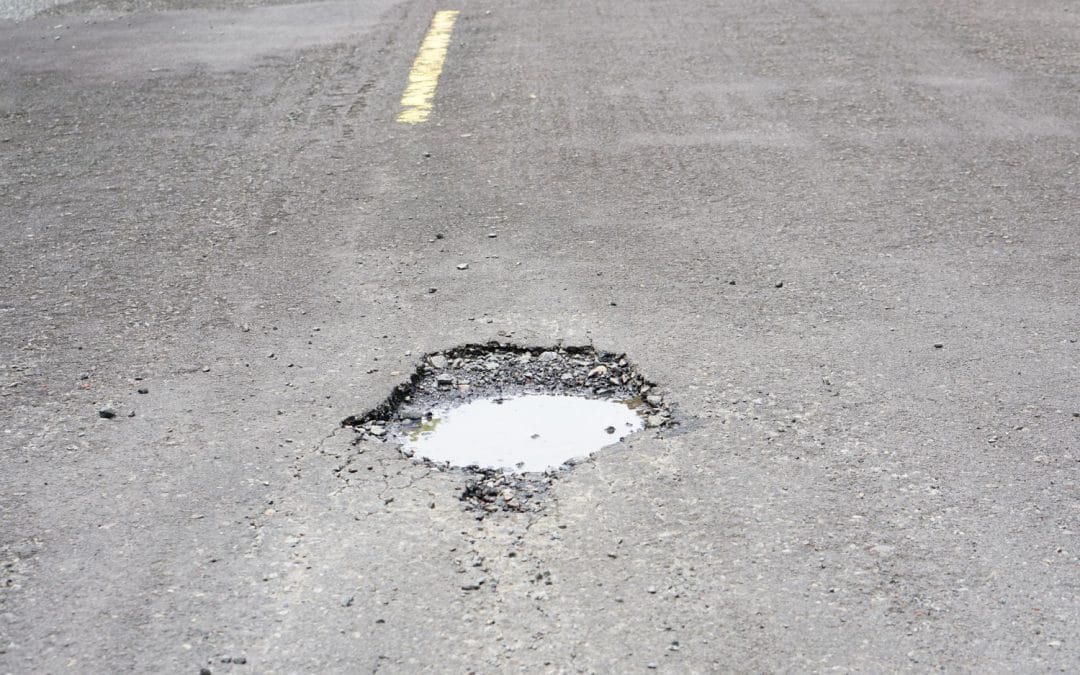
Potholes rarely appear overnight. In most cases, they develop after smaller pavement problems have been left untreated. Cracks allow water to get below the asphalt, repeated traffic puts stress on weakened areas, and changing weather can make existing damage worse.
For commercial property owners and parking lot managers, keeping up with asphalt maintenance can help prevent these problems from becoming larger and more expensive. A few routine maintenance steps can go a long way toward protecting your pavement.
Why Do Potholes Form?
Water is one of the biggest concerns for asphalt pavement. When moisture gets through cracks or damaged areas, it can weaken the layers beneath the surface. As vehicles continue driving over the area, the pavement can begin to break apart.
North Carolina weather can add another challenge. Heavy rain, strong sun, and temperature changes can all contribute to pavement deterioration over time.
The key is to address smaller problems before they create an opening for water and lead to more serious damage.
Sealcoat Your Asphalt Regularly
Asphalt sealcoating provides a protective layer over the pavement that helps defend against moisture, UV exposure, and everyday wear. It can also improve the appearance of an aging parking lot.
Sealcoating isn’t a replacement for repairing damaged asphalt, so existing cracks and significant pavement problems should be addressed first. Once the surface is in suitable condition, routine sealcoating can become part of a long-term maintenance plan.
Learn more about asphalt sealcoating and how it can help protect your pavement.
Repair Cracks Before They Spread
Small cracks are easy to overlook, especially when a parking lot is still functional. However, leaving them untreated gives water an opportunity to reach the pavement’s underlying layers.
Regular inspections can help property owners spot cracking early. Asphalt repair can then be scheduled before the damage develops into potholes or larger areas of deterioration.
Explore asphalt repair services if your pavement is already showing signs of damage.
Keep Water Moving Away From the Pavement
Good drainage is another important part of pothole prevention. Water should drain away from the parking lot rather than collecting on the surface or along pavement edges.
After heavy rain, take a look at areas where water tends to pool. Persistent standing water may indicate a drainage issue that needs attention.
Don’t Forget Routine Parking Lot Maintenance
A maintenance plan should also include keeping the pavement clean and watching for surface changes. Debris, stains, faded pavement markings, cracks, and other visible issues are easier to address when they’re identified early.
For commercial properties, regular parking lot maintenance also helps keep the property looking presentable for customers, employees, and visitors.
Learn more about parking lot repair for additional ways to maintain your commercial pavement.
Know When Your Asphalt Needs Professional Repair
Maintenance works best when it’s done before serious deterioration occurs. If you are already seeing potholes, widespread cracking, crumbling pavement, or areas that continue to deteriorate despite routine upkeep, simple maintenance may no longer be enough.
A professional assessment can help determine whether the pavement needs localized asphalt repair, parking lot repair, or a larger paving solution.
Protect Your Pavement Before Potholes Appear
Pothole prevention starts with paying attention to the small things. Regular inspections, timely crack repairs, sealcoating, and proper drainage can help slow pavement deterioration and extend the useful life of your asphalt.
If your parking lot or paved surface in Charlotte or the surrounding North Carolina area needs attention, contact Armor Asphalt to discuss your asphalt maintenance or repair needs.